Field note
Philly is block-by-block
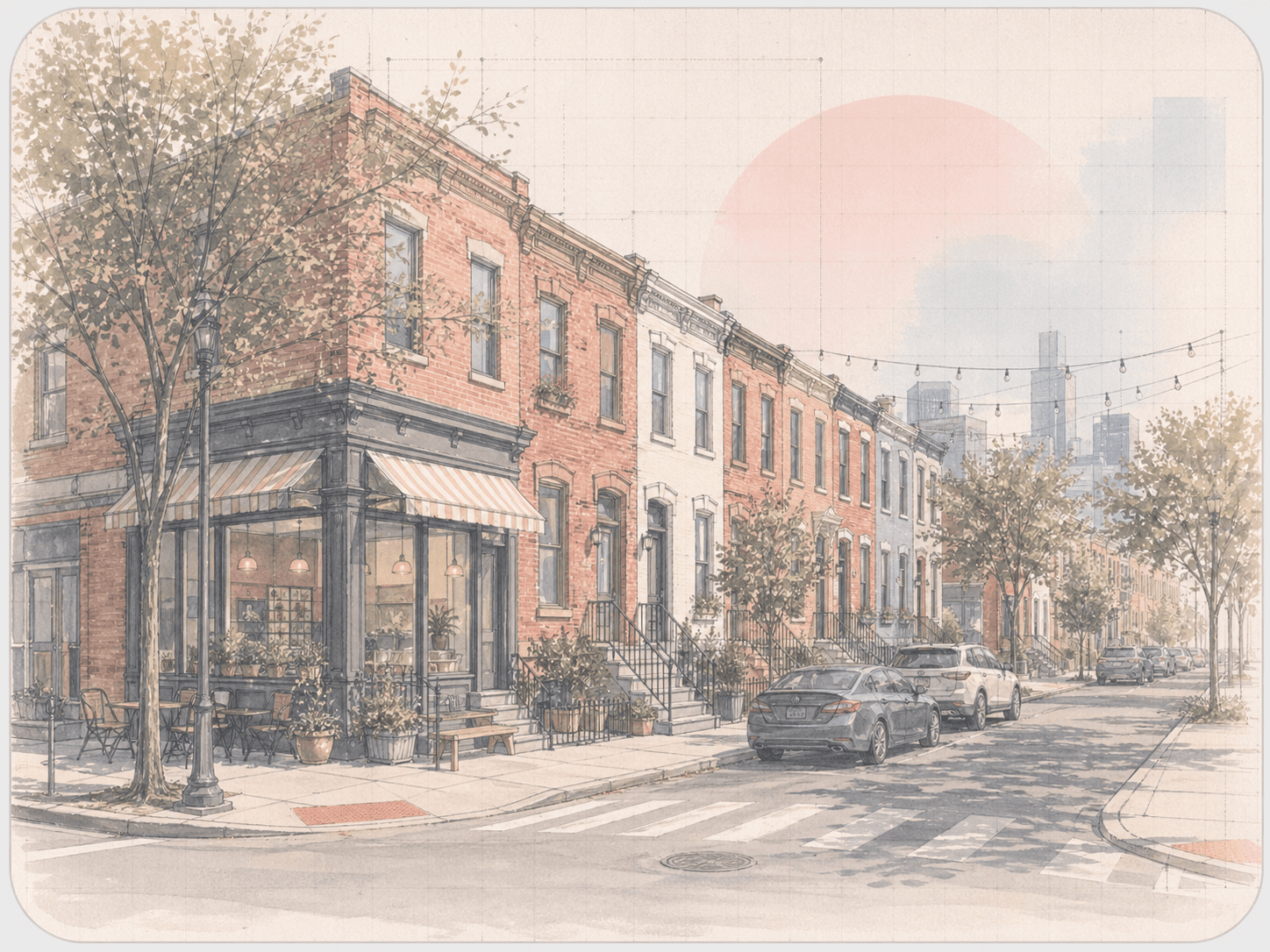
A house can look perfect online and still feel totally different once you see the block, parking, condition, and surrounding homes.
Philadelphia Buyer Field Guide
A practical, local guide to figuring out where you can realistically buy in Philly, how much cash you may need, and what to watch before you fall in love with the wrong house.
Steven Brooks, REALTOR®, Pennsylvania • 215-779-9288 • Steven@themcknightteam.com
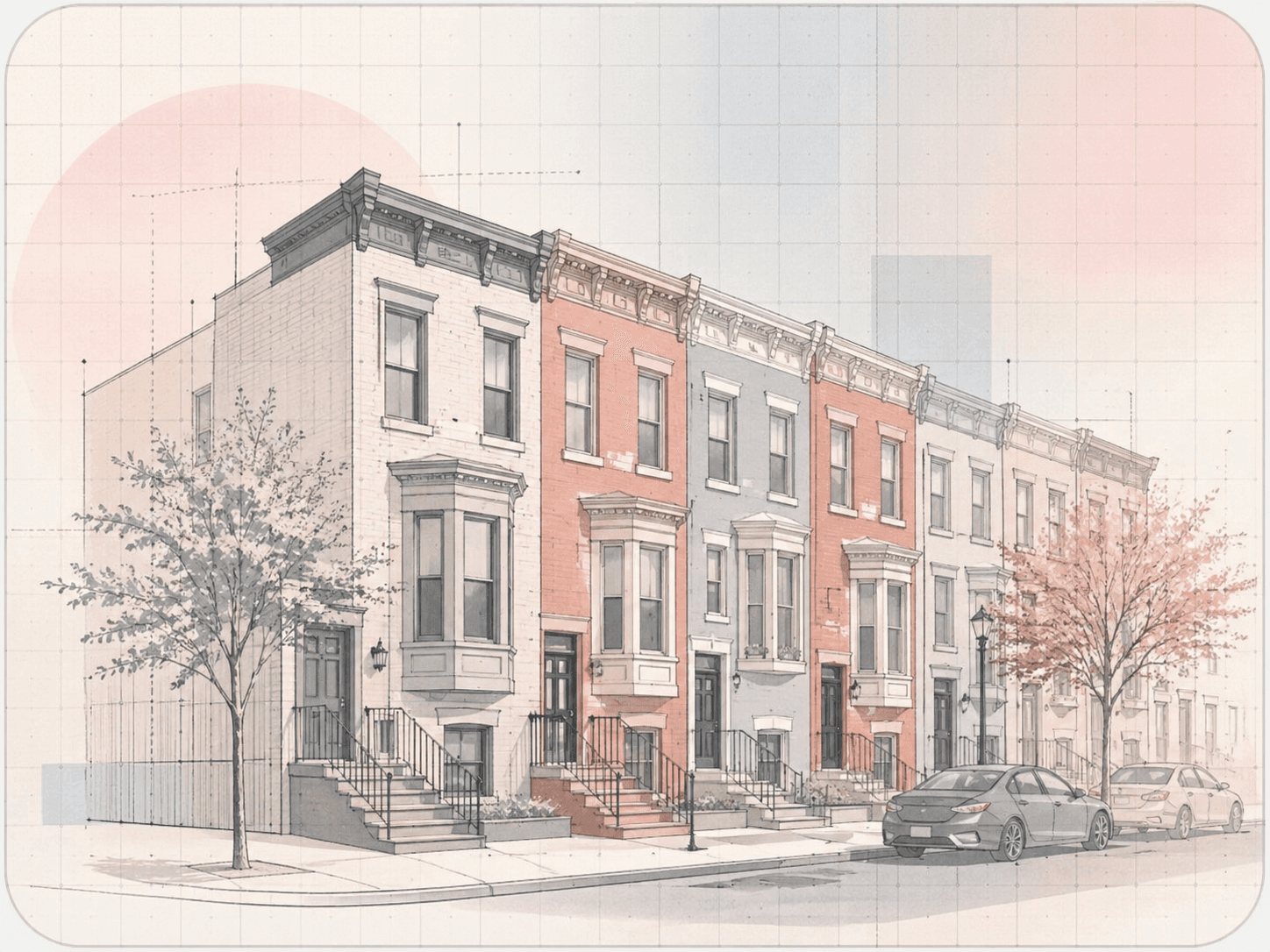
Rowhomes, taxes, parking, condition, and payment all matter more than the list price.
Quick answer
As of May 2026, Philadelphia is still a block-by-block first-time buyer market. A Philadelphia first-time home buyer should start with monthly payment, cash to close, Philadelphia property taxes, Philadelphia transfer tax, insurance, condition, parking, and block comfort before picking a neighborhood. Northeast Philly and parts of the Lower Northeast can be practical starting lanes. Rowhome areas can work well too, but buyers need to be honest about roofs, basements, older systems, parking, and repair risk.
Current market snapshot
Redfin median sale price: about $280,000
Zillow typical home value: about $231,815
Median days on market: about 61 days
Zillow median days to pending: about 31 days
30-year rate example used below: 6.35%
Philadelphia real estate tax rate: 1.3998%
Philadelphia transfer tax: 4.578% total, commonly split but contract-dependent
Numbers are market estimates as of May 2026 and will change. A real payment still depends on the exact address, loan type, taxes, insurance, transfer tax split, seller assist, HOA or condo fees, credit, lender terms, and property condition.
Field note
A house can look perfect online and still feel totally different once you see the block, parking, condition, and surrounding homes.
Field note
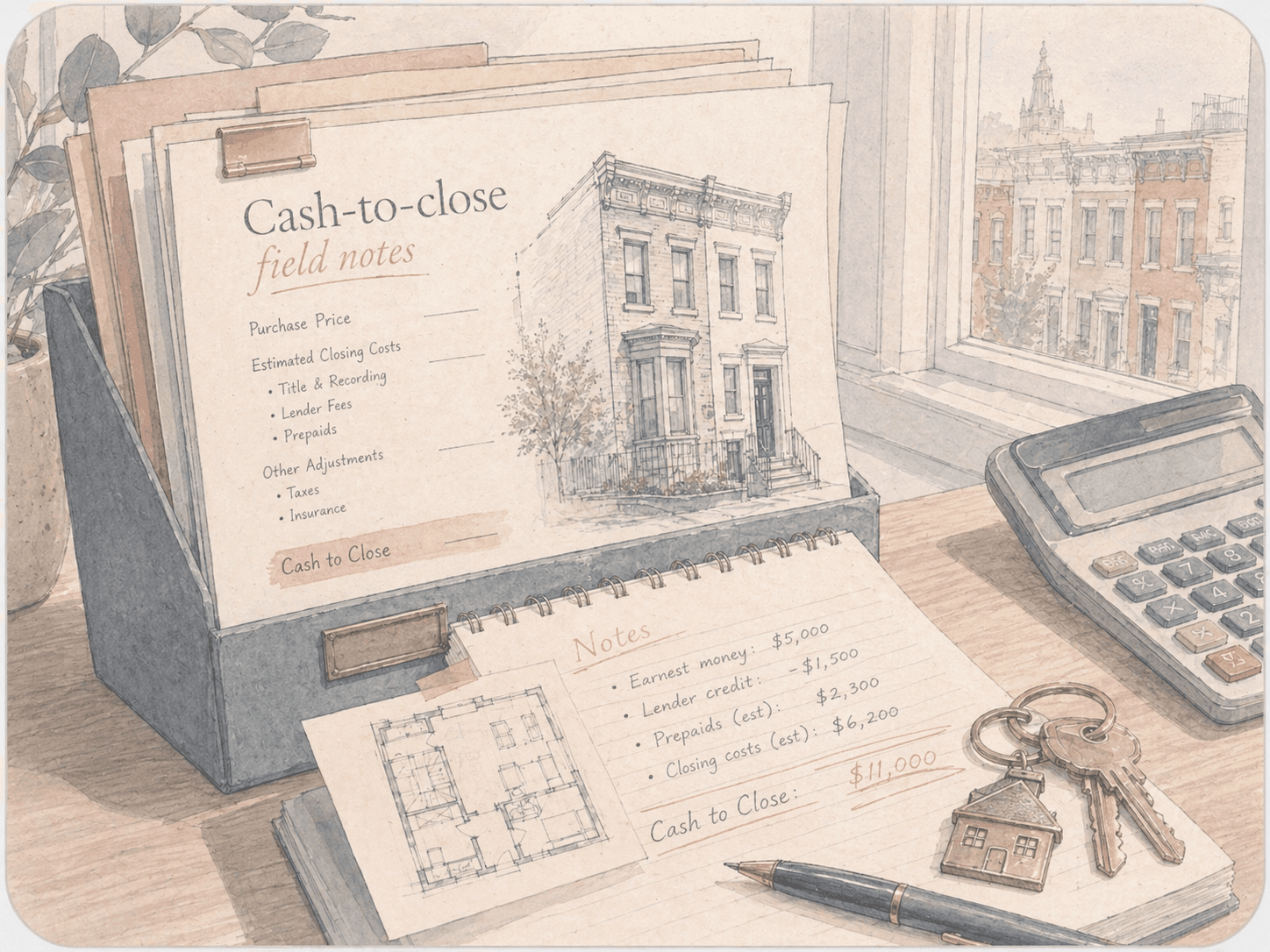
Closing costs, escrows, transfer tax, inspections, and reserves can change the plan fast.
Field note
Roofs, basements, plumbing, electric, heating, and older systems can matter as much as the kitchen photos.
Field note
Taxes, insurance, seller assist, repairs, and loan type can make two similar-priced homes feel very different monthly.
Field note
Philly First Home and PHFA options may help some buyers, but eligibility, counseling, funding, and lender approval need to be verified before counting the money.
Philadelphia is not one clean market. The better move is to compare areas by payment, condition, commute, block comfort, and what kind of home you are willing to take on.
Area guide
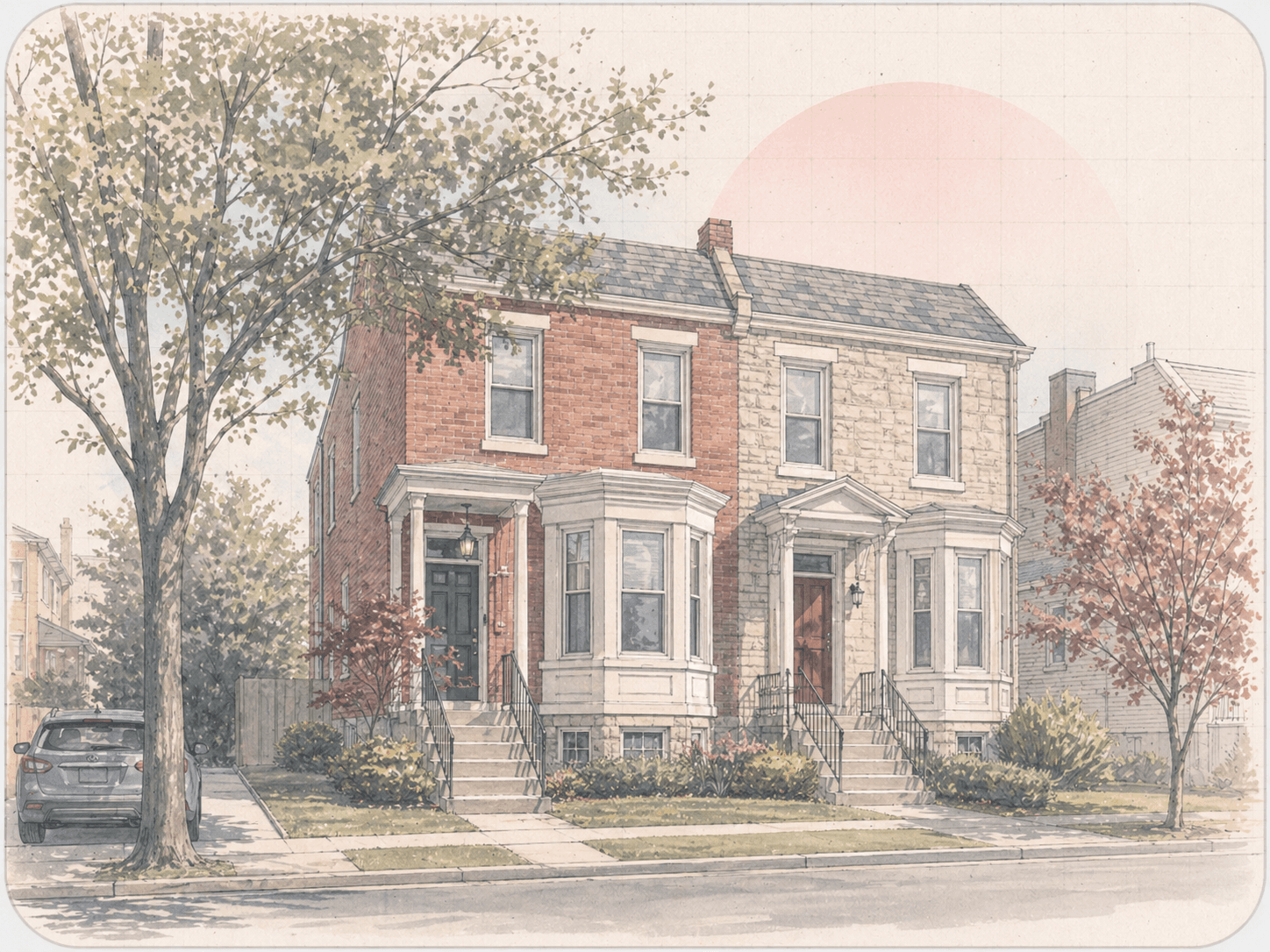
Fox Chase, Bustleton, Somerton, Torresdale, Parkwood, Morrell Park, Rhawnhurst
Often a strong fit for buyers who want a more residential city feel. You still need to compare taxes, parking, catchment expectations, older systems, and whether the home is truly move-in ready.
Area guide
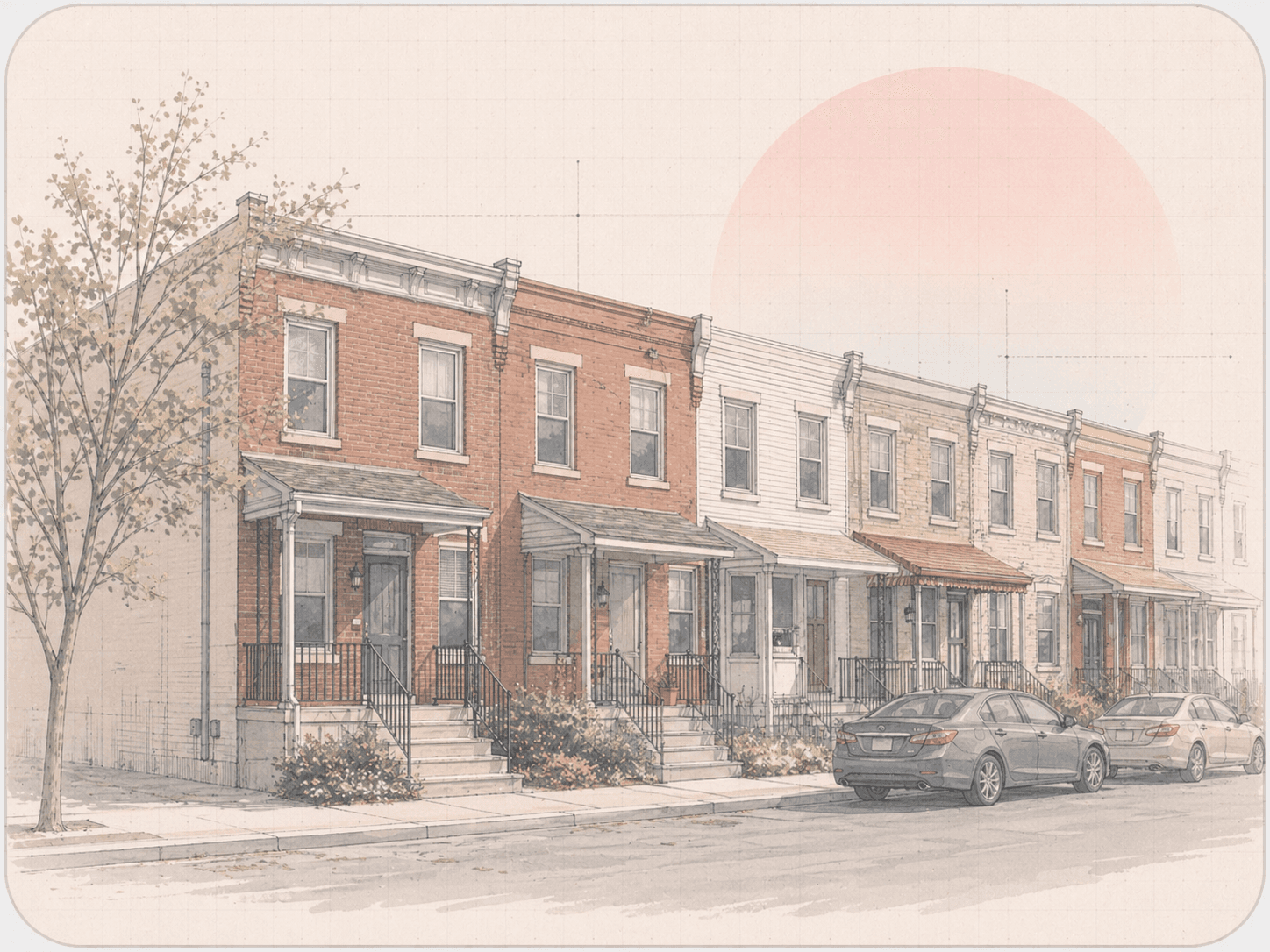
Mayfair, Tacony, Holmesburg, Oxford Circle, Wissinoming, Castor Gardens, Lawncrest
Often more realistic for buyers trying to keep price lower, but condition varies heavily. Some homes look affordable online because they need work.
Area guide
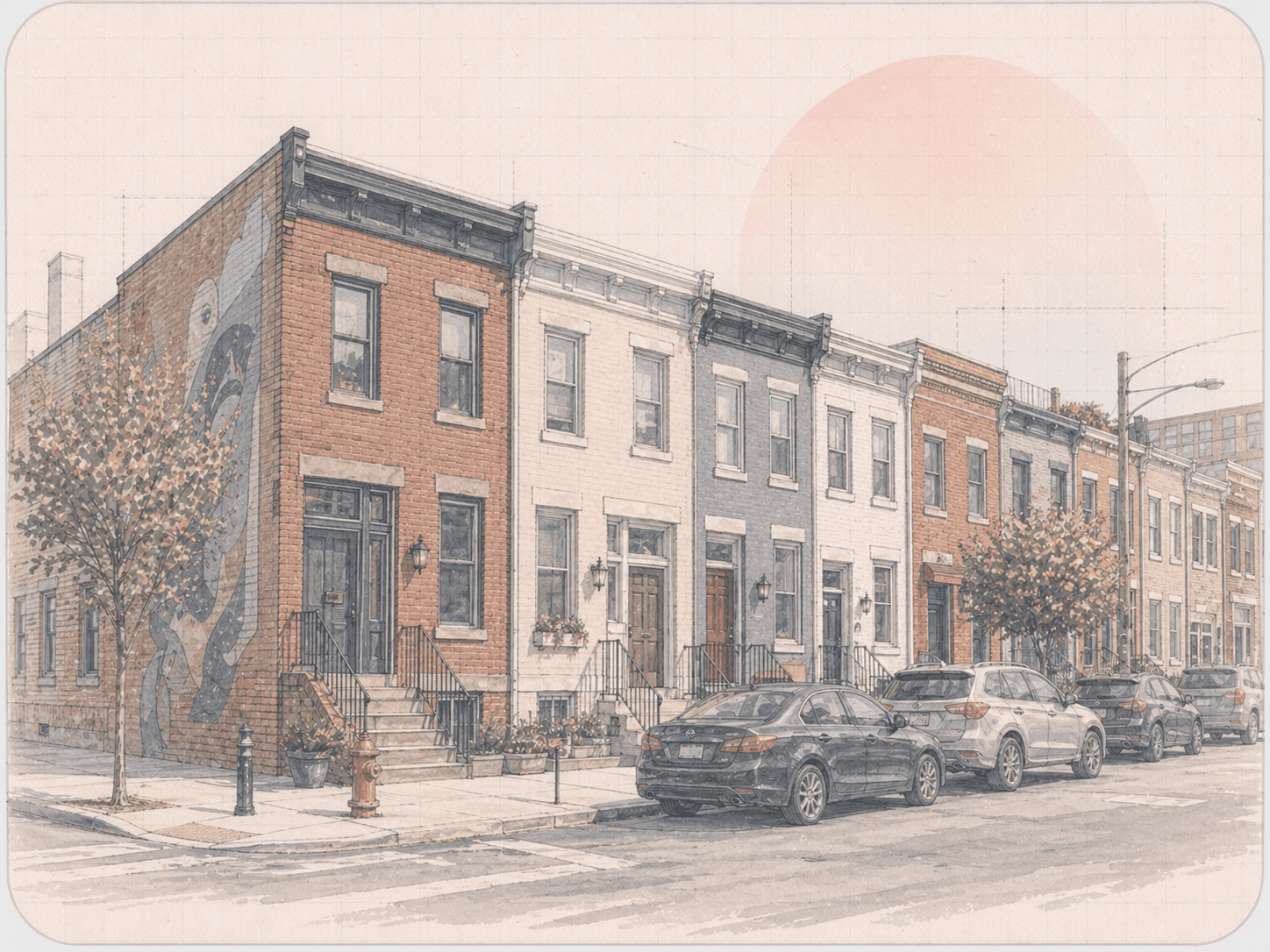
Port Richmond, Bridesburg, Fishtown edge, Kensington edge
Can be attractive for commute and lifestyle, but price, block feel, parking, and condition can change quickly. Buyers need to be honest about comfort level and resale.
Area guide
Whitman, Lower Moyamensing, Girard Estates, East Passyunk nearby areas, Pennsport carefully
Can be great for buyers who want walkability and city lifestyle. Parking, narrow layouts, basements, older mechanicals, and competition matter a lot.
Area guide
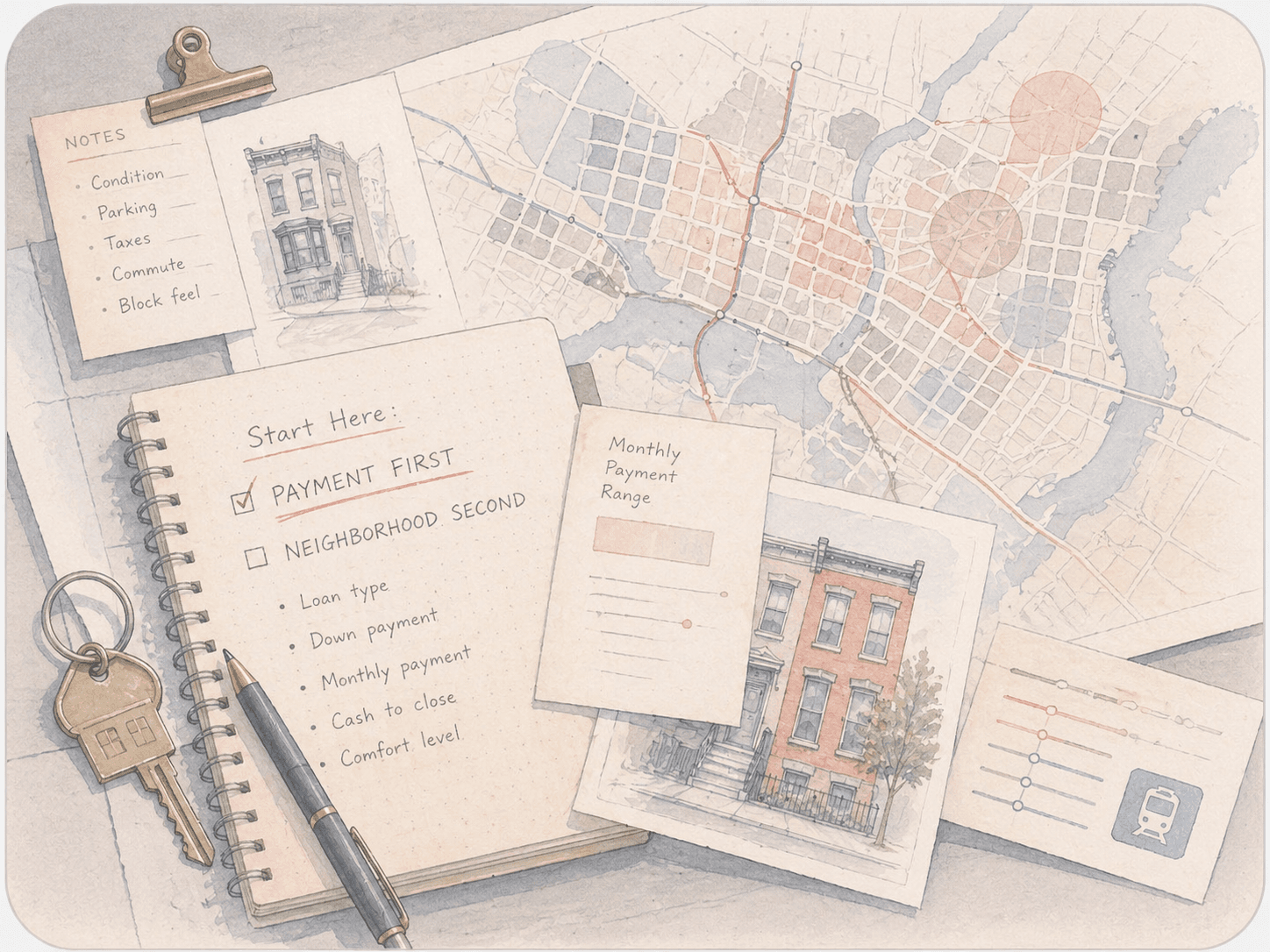
Some buyers should not start with a neighborhood. They should start with payment, cash to close, loan type, and condition tolerance, then work backward into the areas that fit.
Price matters, but in Philly the better question is what the price gets you after taxes, repairs, financing, and condition.
Usually a high-caution lane. Buyers may see smaller homes, older systems, cosmetic work, location tradeoffs, or properties that may not fit every loan type.
Can be realistic for some first-time buyers in parts of Philly, especially buyers open to rowhomes, older homes, and tradeoffs. Taxes and repair risk still need to be checked.
Usually opens more options, better condition possibilities, and more flexibility. Buyers still need to compare parking, block feel, taxes, and inspection risk.
Can open stronger locations, updated homes, and more lifestyle-driven choices, but payment discipline still matters. A good-looking house can still be a bad monthly fit.
Real buyer math
Here is the kind of math first-time buyers should run before falling in love with a Philly rowhome. These are rough examples, not quotes. They use 5% down, a 30-year loan at 6.35%, the Philadelphia real estate tax rate of 1.3998%, and about $231/month for homeowners insurance. PMI, HOA fees, condo fees, flood insurance, seller assist, lender credits, inspection repairs, and grant timing are not included.
This is the lane where block, condition, roof, basement, and older systems matter a lot. A lower list price does not automatically mean a safe buy.
This is close to the citywide median-sale range, but Philly buyers still need to compare the exact address, block, taxes, insurance, and repair risk.
This price range may open better condition or stronger locations, but the monthly payment can still climb quickly once taxes, insurance, PMI, and repairs are included.
Two Philadelphia homes can have the same price online and create very different monthly payments, repair risk, and day-to-day living.
Property taxes
Homeowners insurance
Rowhome repairs
Possible HOA or condo fees
Transfer tax and closing cost expectations
Seller assist possibility
Loan type
Inspection findings
Older mechanicals
Roof, basement, plumbing, electric, and heating risk
Parking
Block feel
Commute
The monthly payment is only one part of the Philly buying decision.
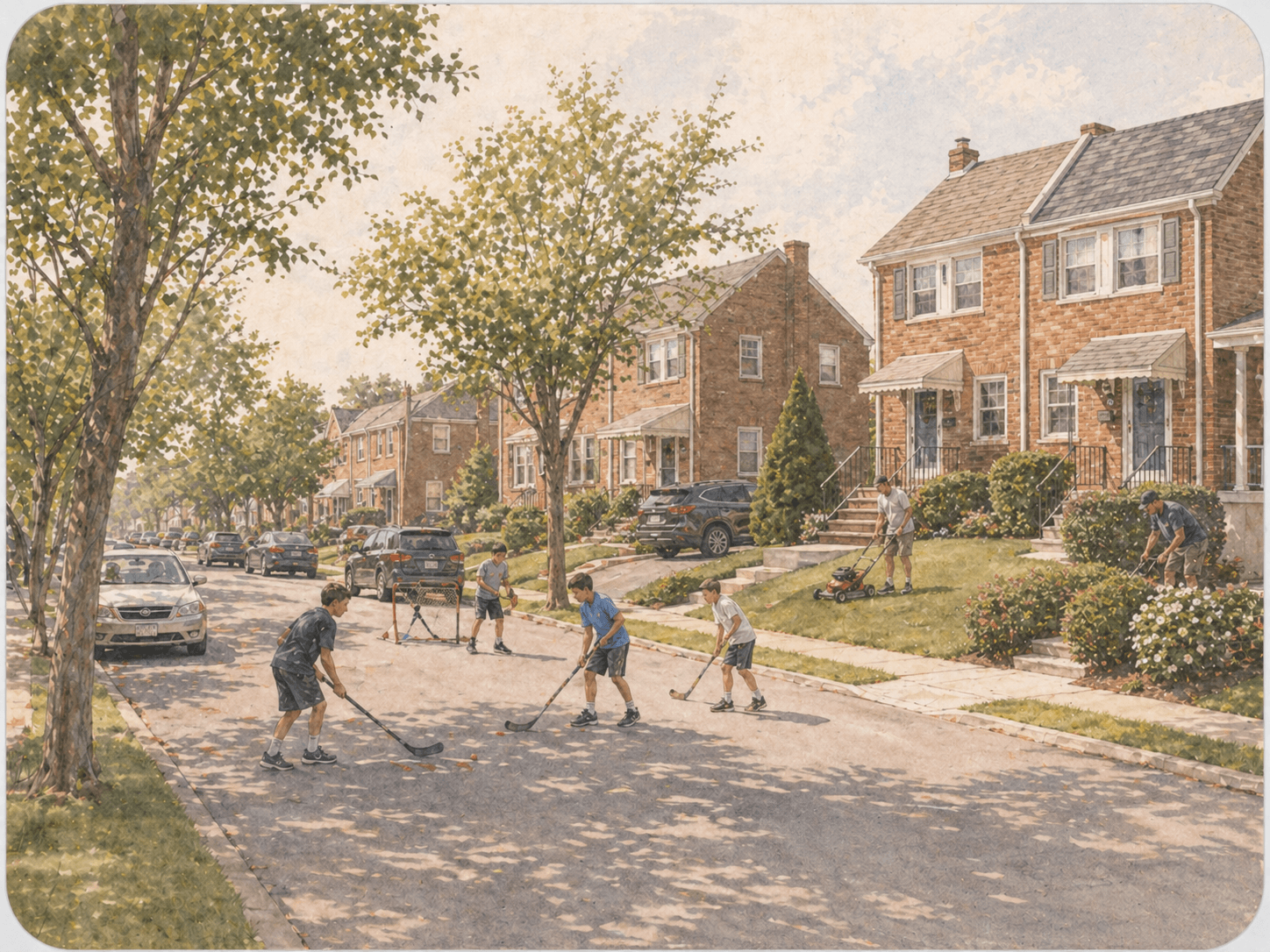
Usually wants more residential streets, parking that feels manageable, and a home that still keeps them connected to the city. The tradeoff is that older systems, taxes, and condition still need to be checked address by address.
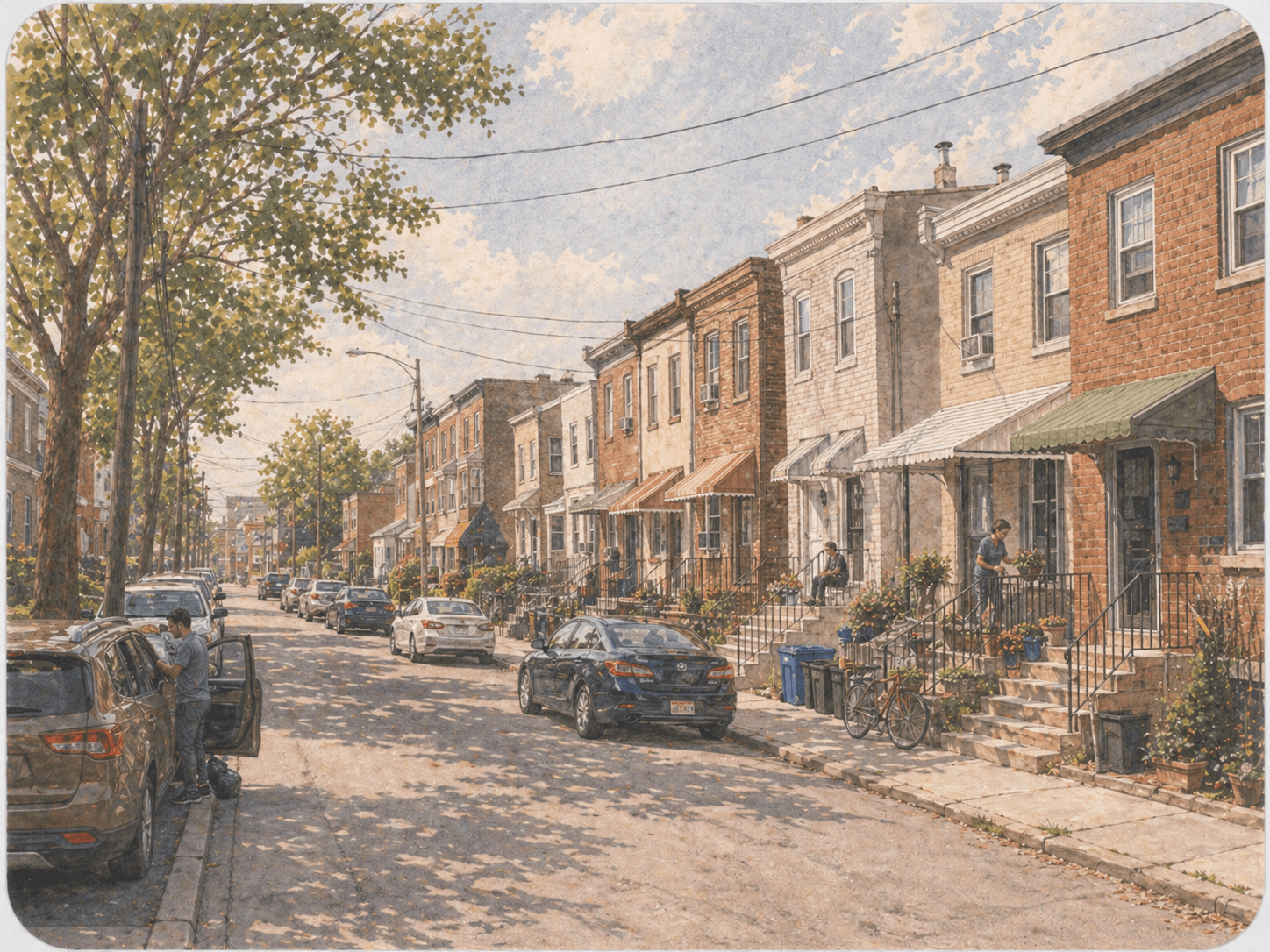
Usually cares about keeping the payment realistic. The opportunity is entry price. The risk is buying a house that looks affordable but needs more work than the buyer planned for.
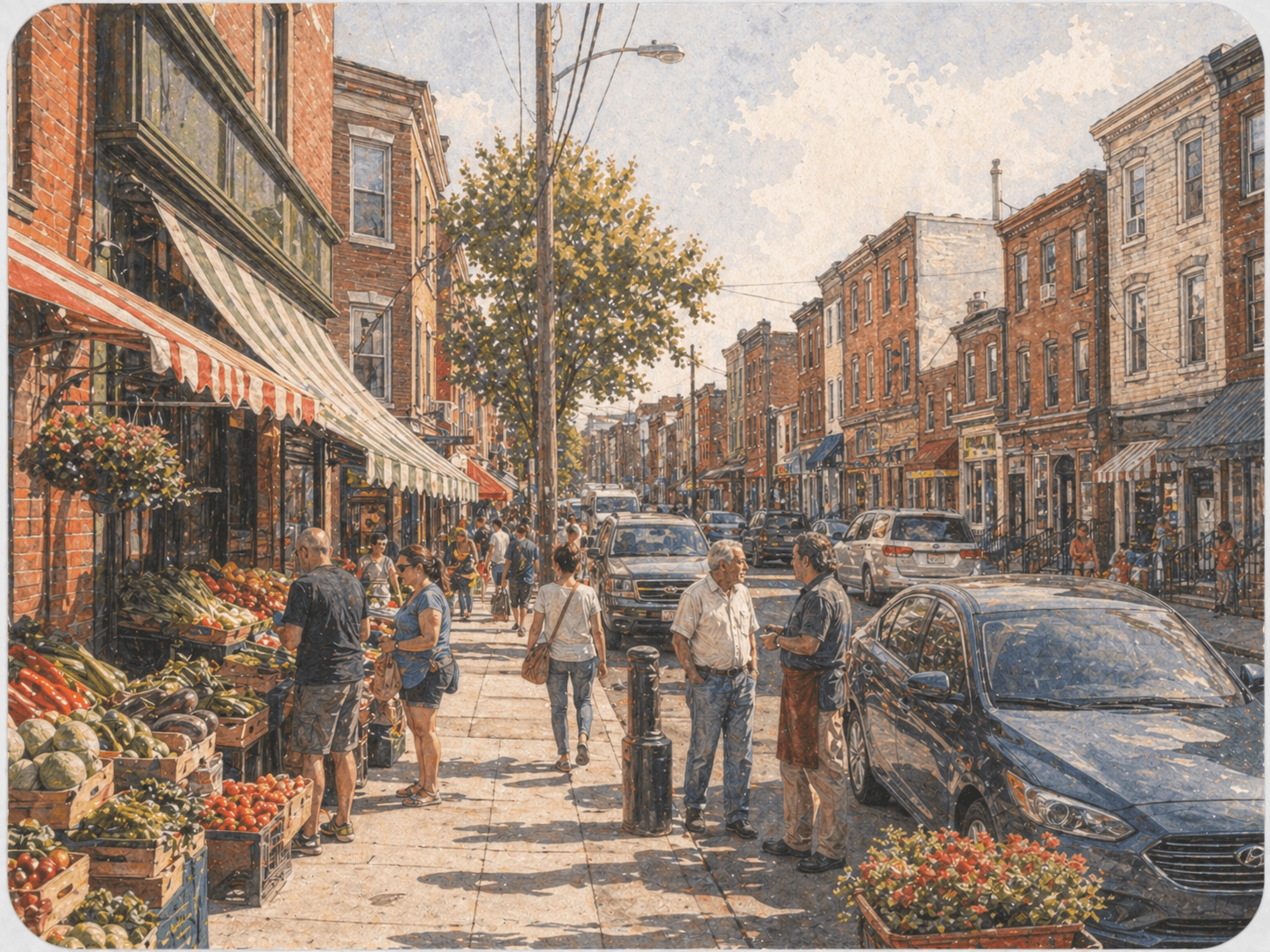
Usually cares about walkability, commute, and neighborhood feel. The smart move is checking the block, parking, basement, roof, systems, and resale before treating the photos like the full story.
One step at a time. Quick, practical, and built around how Philly buyers actually search.
Step 1 of 6
Your buying goal
What are you mainly trying to figure out?
You need more than just the down payment. Plan for closing costs, escrows, inspections, and a reserve cushion. The exact amount depends on price, loan type, taxes, insurance, seller assist, and program eligibility.
Send the basics and I’ll help you pressure-test the neighborhood, payment, cash-to-close, and condition before you waste weekends on the wrong houses.
Steven Brooks • 215-779-9288 • Steven@themcknightteam.com